
When you need a crown, the choice of material affects how it looks, how strong it is and how much of your tooth has to be trimmed. Zirconia has become one of the most popular options, and two names come up often: BruxZir and Lava.
Both are zirconia, but they're used differently. This guide explains what sets them apart, which one tends to suit which tooth, and how they compare with the older metal-ceramic crown.
Need a crown and not sure which material? Book a consultation with our prosthodontist. We'll check the tooth and your bite, and explain which crown suits it and what each option costs.
What zirconia is
Zirconia (zirconium dioxide) is a very strong, tooth-coloured ceramic. It's metal-free, so there's no grey line at the gum, and it's well tolerated by the gums. It comes in two broad forms:
- Monolithic (full-contour) zirconia: the whole crown is milled from one block of zirconia, then coloured and glazed. It's extremely strong and resists chipping, but traditionally looks a little more opaque than a natural tooth.
- Layered zirconia: a zirconia core is covered with layers of porcelain built up by a technician. It can look very lifelike, but the porcelain layer is weaker than the zirconia and can chip under heavy forces.
Newer, more translucent zirconias have narrowed the gap, so even monolithic crowns can look good on many front teeth.
BruxZir
BruxZir is a brand of monolithic zirconia developed by Glidewell, a large American dental lab. The name comes from bruxism, tooth grinding, because it was designed to stand up to people who grind or clench. It's commonly used for:
- molars and premolars, where biting forces are highest
- people who grind their teeth or have broken crowns before
- cases with limited space, since monolithic zirconia can be made thinner and so may need less tooth reduction
- implant crowns on back teeth
Newer, more aesthetic versions are also made for front teeth.
Lava
Lava is a zirconia system that originated at 3M. It includes both layered crowns and more translucent monolithic options. Lava is often chosen when appearance matters most, for example:
- front teeth, where translucency and shade matching are critical
- matching a crown to natural teeth next to it
- smile makeovers combining crowns with veneers
BruxZir vs Lava at a glance
| BruxZir | Lava | |
|---|---|---|
| Main form | Monolithic (full-contour) zirconia | Layered and monolithic options |
| Strength | Very high, with no porcelain layer to chip | High; layered versions can chip in the porcelain |
| Appearance | Good; newer versions are more translucent | Very good, especially layered on front teeth |
| Usually chosen for | Back teeth, grinders, implant crowns | Front teeth, high-aesthetic cases |
| Tooth reduction | Can be less, as it can be made thinner | Usually a little more for layered crowns |
In practice, the brand matters less than choosing the right type of zirconia for the tooth, and having it made by a good lab. Other zirconia brands, including well-established Indian labs, also make good crowns. Ask your dentist which brand and type they're proposing and why, and ask for the warranty card that comes with branded crowns.
Zirconia vs metal-ceramic (PFM) crowns
Before zirconia, the standard crown was porcelain fused to metal (PFM). PFM crowns are still used and have a long track record, but zirconia has a few advantages:
- No metal: no dark line at the gum if the gum recedes, and no concern for people with metal allergies
- Better appearance, especially on front teeth
- Monolithic zirconia doesn't chip the way the porcelain on PFM crowns can
PFM crowns generally cost less and remain a reasonable choice in some situations. Our crowns and bridges page covers all the options.
Is a very hard crown bad for the opposite tooth?
It's a reasonable worry, since zirconia is much harder than enamel. The research suggests that polished zirconia causes relatively little wear on opposing teeth, often less than glazed porcelain. A rough or unpolished surface is what causes wear, which is why the crown should be polished properly after any adjustment to your bite.
Getting a zirconia crown: the process
- Examination and X-ray to make sure the tooth is healthy enough for a crown, or whether it first needs a root canal or a core build-up.
- Tooth preparation under local anaesthesia, followed by a digital scan or impression.
- A temporary crown protects the tooth while the lab makes the final crown.
- Fitting. The crown is tried in, the fit, shade and bite are checked, and it's cemented in place.
Looking after your crown
A crown can't decay, but the tooth underneath can, especially at the edge near the gum. Brush twice a day, clean between your teeth daily, and keep up check-ups. If you grind your teeth, a night guard protects both the crown and your other teeth.
Want to know which crown is right for your tooth? Book a consultation and we'll go through the options for your tooth and your bite, with a written quote for each.
Meet our prosthodontic team
Crowns at our clinic are planned by prosthodontists, the specialists who focus on restoring and replacing teeth.

Dr. Divyesh Mehta
Prosthodontist & Implantologist
MDS Prosthodontics · Faculty, Manav Rachna
A prosthodontist specialises in replacing and rebuilding teeth with implants, crowns, bridges and veneers, and in getting the bite and appearance right.
Book with Dr. Mehta →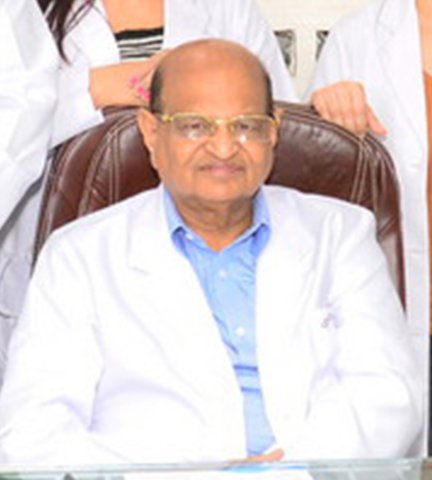
Dr. D.K. Malhotra
Founder & Chief Consultant
Former Head, Dept. of Dental Surgery, Safdarjung Hospital
Opened the practice in 1970 after training in England on a Commonwealth Scholarship. Prosthodontics and restorative dentistry are among his specialities.
Book with Dr. D.K. Malhotra →See the full team on our doctors page.
Frequently asked questions
Which is better, BruxZir or Lava?
It depends on the tooth. BruxZir's monolithic zirconia is usually preferred for back teeth and people who grind. Lava's layered and translucent options are often chosen for front teeth, where appearance matters most.
How long do zirconia crowns last?
With good care, zirconia crowns can last many years, often well over a decade. How long one lasts depends more on the health of the tooth underneath, your cleaning and your bite than on the brand.
Can zirconia crowns be whitened?
No. If you're planning to whiten your other teeth, do it before the crown shade is chosen.
Are zirconia crowns safe?
Yes. Zirconia is a well-established, biocompatible material that's metal-free and well tolerated by the gums.
How much does a zirconia crown cost in Delhi?
It depends on the brand, whether it's monolithic or layered, and whether the tooth needs other work first. We give a written quote after the examination, including alternatives such as metal-ceramic crowns.
BruxZir is a trademark of Glidewell Laboratories. Lava is a trademark of 3M / Solventum. This article is for general information and isn't a substitute for an examination by a dentist.