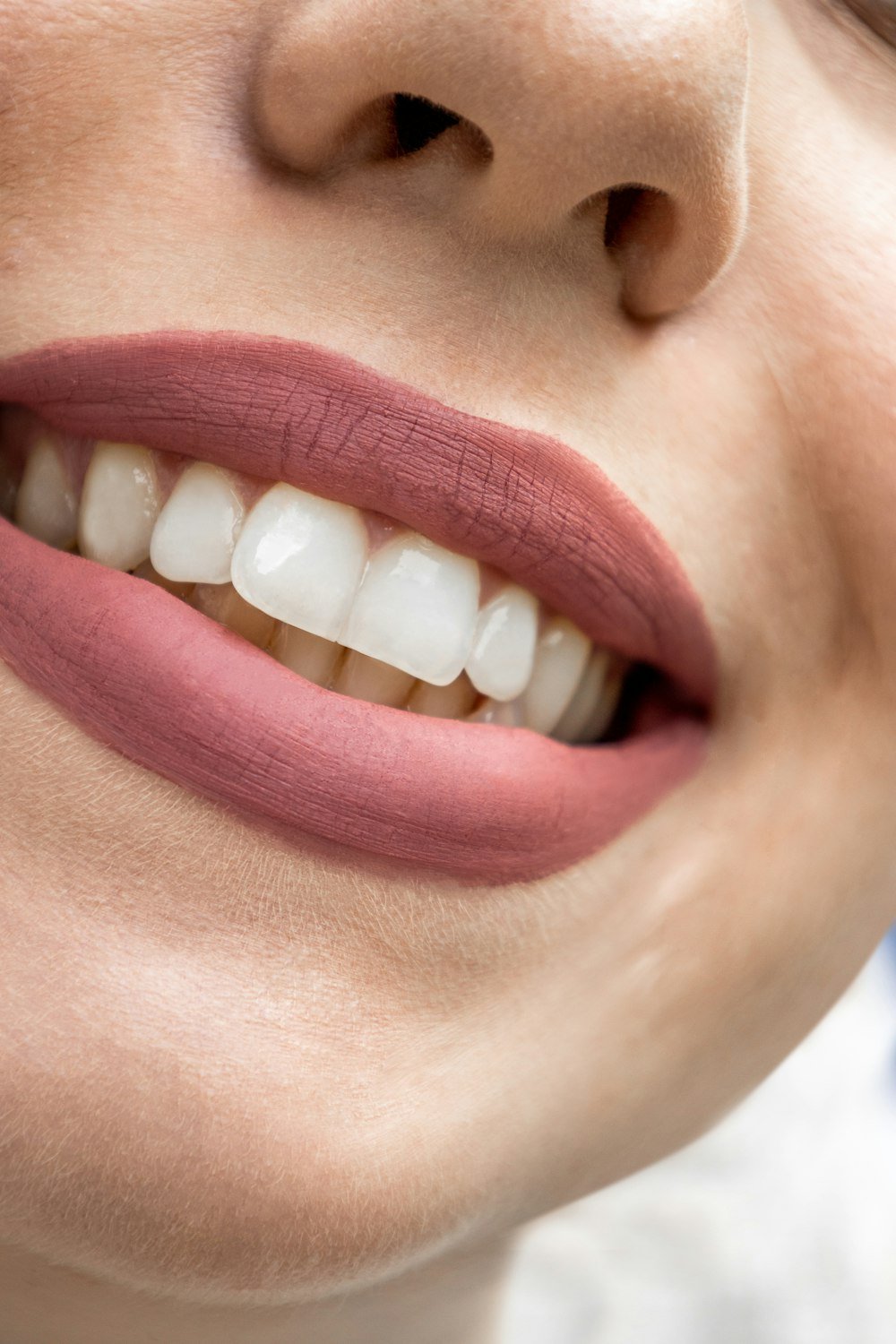
Porcelain veneers take two or more visits and a lab. Freehand composite bonding can be done in one visit, but the result depends heavily on the dentist's sculpting skill. Componeers sit between the two: ready-made composite shells that are shaped and bonded to your teeth in a single appointment.
This guide explains how Componeers work, who they suit, and how they compare with the alternatives, including the drawbacks.
Want a quicker smile upgrade? Book a smile consultation and we'll tell you whether Componeers, bonding or porcelain veneers would give you the best result.
What are Componeers?
COMPONEER is a system made by Coltene, a Swiss dental company. Each Componeer is a thin, prefabricated shell made of composite resin, the same family of tooth-coloured material used for white fillings, about 0.3 mm thick. The shells come in a range of shapes and sizes for front teeth.
At the appointment, the dentist picks the right size for each tooth, fills the shell with composite, presses it onto the prepared tooth, shapes the edges and hardens it with a curing light. The outer surface of the shell is factory-polished, so it starts out smoother and more consistent than a surface sculpted by hand.
Who Componeers suit
- small gaps between front teeth
- chipped, worn or uneven edges
- mild discolouration or old, stained fillings on the front teeth
- slightly misshapen teeth
- anyone who wants a noticeable improvement without waiting for a lab
They're less suitable when teeth are badly crowded or rotated (straightening first usually looks better), very dark, or when you grind your teeth heavily.
The one-visit procedure
- Shade and shape selection. The dentist chooses the shell size and the composite shade for your teeth.
- Preparation. Teeth are cleaned. Depending on the case, a very thin layer of enamel may be smoothed, or none at all.
- Bonding. The enamel is conditioned, adhesive is applied, and each composite-filled shell is pressed into place and light-cured.
- Finishing. The edges near the gum are trimmed and polished, and the bite is checked.
A full set of front teeth is often done in a single long appointment, without an impression, a lab or temporaries.
Componeers vs porcelain veneers vs freehand bonding
| Componeers | Porcelain veneers | Freehand bonding | |
|---|---|---|---|
| Visits | One | Two or more | One |
| Lab needed | No | Yes | No |
| Enamel removed | Little or none | A thin layer, usually | Little or none |
| Stain resistance | Moderate, can dull over time | Excellent | Moderate, can dull over time |
| Repairs | Easy, done in the chair | Usually needs replacing | Easy, done in the chair |
| Typical lifespan | Several years, with maintenance | Often 10+ years | Several years, with maintenance |
| Cost | Middle | Highest | Lowest |
The main trade-off is durability. Composite is softer than porcelain and absorbs stains over time, so Componeers need occasional polishing and eventually some touch-ups. The upside is that chips or worn areas can usually be repaired in one short visit, without starting again.
Looking after Componeers
- brush twice a day with a non-abrasive toothpaste, since whitening pastes with strong abrasives can dull the surface
- cut down on tea, coffee, paan and tobacco, all of which stain composite
- don't bite nails, pens or hard food with your front teeth
- have them professionally polished at your regular check-ups
- wear a night guard if you grind
Thinking about whitening too?
Composite doesn't change colour with whitening. If you'd like your other teeth lighter, whiten first, wait about two weeks for the colour to settle, and then have the Componeers matched to the new shade.
Not sure whether to go for Componeers or porcelain? We'll compare both for your teeth, including what each will cost and how long you can expect it to last.
Meet our cosmetic team

Dr. Sarika Malhotra
Consultant Cosmetic Dentist
BDS, M.S. · Life Member, IDA
Leads the clinic's cosmetic work, including veneers, bonding and smile design, with a focus on results that still look like your own teeth.
Book with Dr. Sarika →
Dr. Divyesh Mehta
Prosthodontist & Implantologist
MDS Prosthodontics · Faculty, Manav Rachna
A prosthodontist specialises in replacing and rebuilding teeth with implants, crowns, bridges and veneers, and in getting the bite and appearance right.
Book with Dr. Mehta →Read more about smile designing at our clinic, or compare porcelain options in our guide to Lumineers vs veneers.
Frequently asked questions
Are Componeers the same as veneers?
They're a type of veneer, made from composite resin instead of porcelain, and bonded in one visit instead of being made in a lab.
Do Componeers damage your teeth?
Very little enamel, if any, is removed. The enamel surface is conditioned for bonding, so the teeth won't look exactly as before if the Componeers are ever removed, but the tooth structure is largely preserved.
How long do Componeers last?
Several years with good care and regular polishing. They're more prone to staining and chipping than porcelain, but most problems can be repaired in the chair.
Do they look natural?
When the shape and shade are well chosen, yes. The factory-polished surface gives a smooth, glossy finish. Over time they can lose some shine, which professional polishing helps restore.
How much do Componeers cost in Delhi?
Usually less than porcelain veneers and more than freehand bonding. We give a written quote per tooth after your consultation.
COMPONEER is a trademark of Coltene. This article is for general information and isn't a substitute for an examination by a dentist.